Squadron rotation or permanent basing change: reading the apron
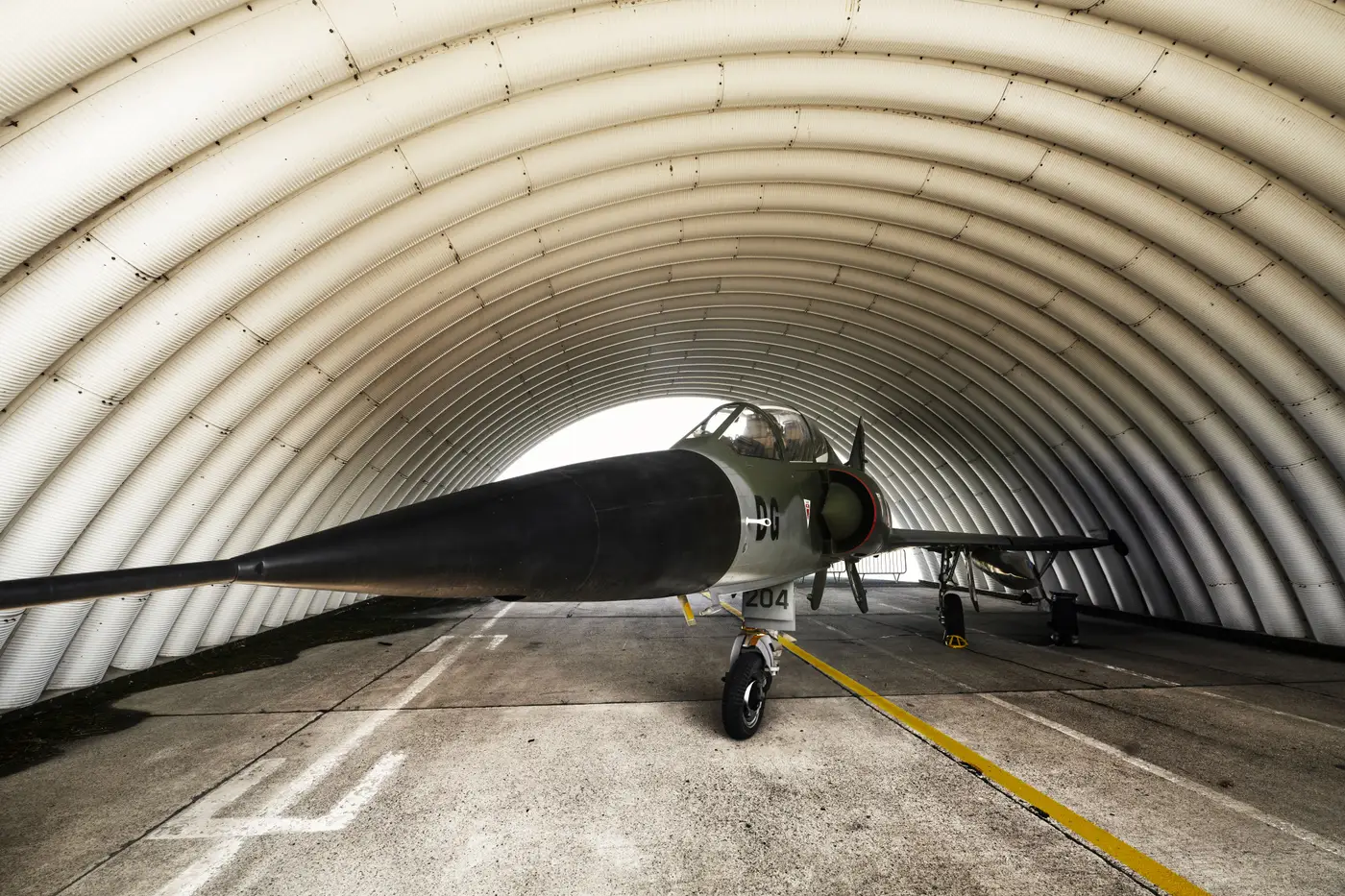
A single pass of imagery showing a new aircraft type on the apron tells you almost nothing on its own. Fighters detach for exercises, show the flag, rotate through air policing tours, and go home. The question that actually matters for an order-of-battle assessment is whether what you're looking at is a detachment or the start of a permanent party. Those two things look almost identical on day one and very different by day ninety.
Start with the aircraft count, not just the type
A detachment is usually a clean, round number: four jets, six, sometimes eight, parked together in a cluster that wasn't there before. Permanent party basing tends to arrive messier and in waves, because it's not one squadron moving house, it's a squadron plus its spares pool, plus whatever the gaining base keeps in reserve for maintenance rotation. If the count holds steady at a tidy number pass after pass, lean detachment. If it climbs irregularly over several weeks and never quite settles, lean permanent.
Type mix matters too. A detachment almost always arrives as a single type: one squadron, one airframe. A permanent basing change more often shows up as a mixed apron over time, the original type plus a support type that wasn't resident before, a tanker or an AEW airframe that has no obvious reason to visit for a short exercise. A mix that diversifies and holds steady across several passes is a basing signal on its own.
Watch what happens to the people and the parking, not just the planes
Detachment aircraft tend to sit wingtip to wingtip on whatever ramp space was free when they showed up, often close to transient parking rather than the squadron's own hardstands. Permanent party aircraft get assigned to specific spots, and over a few weeks you start seeing the same tail numbers back in the same revetments or shelters night after night. That's the apron turnover rate doing the talking: a detachment has high turnover on a handful of spots because jets rotate crews and fly sorties constantly during an exercise window, while a permanent party settles into a lower, steadier turnover pattern because it's just home base operations.
Construction is the slower but harder signal. A rotation leaves no trace on the ground beyond parked aircraft and maybe some extra fuel bowsers. A real basing change usually shows up a few months later as new hardstand pads, additional shelters under construction, or an expanded apron footprint to handle the added type mix permanently. If you're tracking a base and start seeing earthmoving near existing revetments at the same time the new type is holding steady, those two signals are confirming each other.
Timing tells you more than any single frame
No single image answers this question. A detachment can last six weeks, which is longer than most analysts expect, and a genuine basing change can take four to six months to show in infrastructure before it's declared. What separates the two is the shape of the curve across many passes: does the count spike and decay, or does it ramp and plateau. Does the type mix revert to baseline, or does the new baseline stick. Rotations have an end date baked into the pattern even before you know what it is. Permanent changes don't decay, they compound.
This is the part that's genuinely hard to do by hand. Scrolling back through weeks of archive tiles to reconstruct a count-over-time curve for one ramp, at one airfield, is slow and easy to get wrong when you're doing it from memory of what last Tuesday's tile looked like. Airfield Activity runs a daily-cadence count of aircraft by type on apron and in revetments for a named field, logged day over day, so the rotation-versus-basing question becomes a matter of reading a trend line instead of rebuilding one from scratch.
If you're carrying a watch list of fields where a detachment might be turning into something more permanent, that running log is worth a look.