Field notes: the week a training exercise emptied the apron for three days
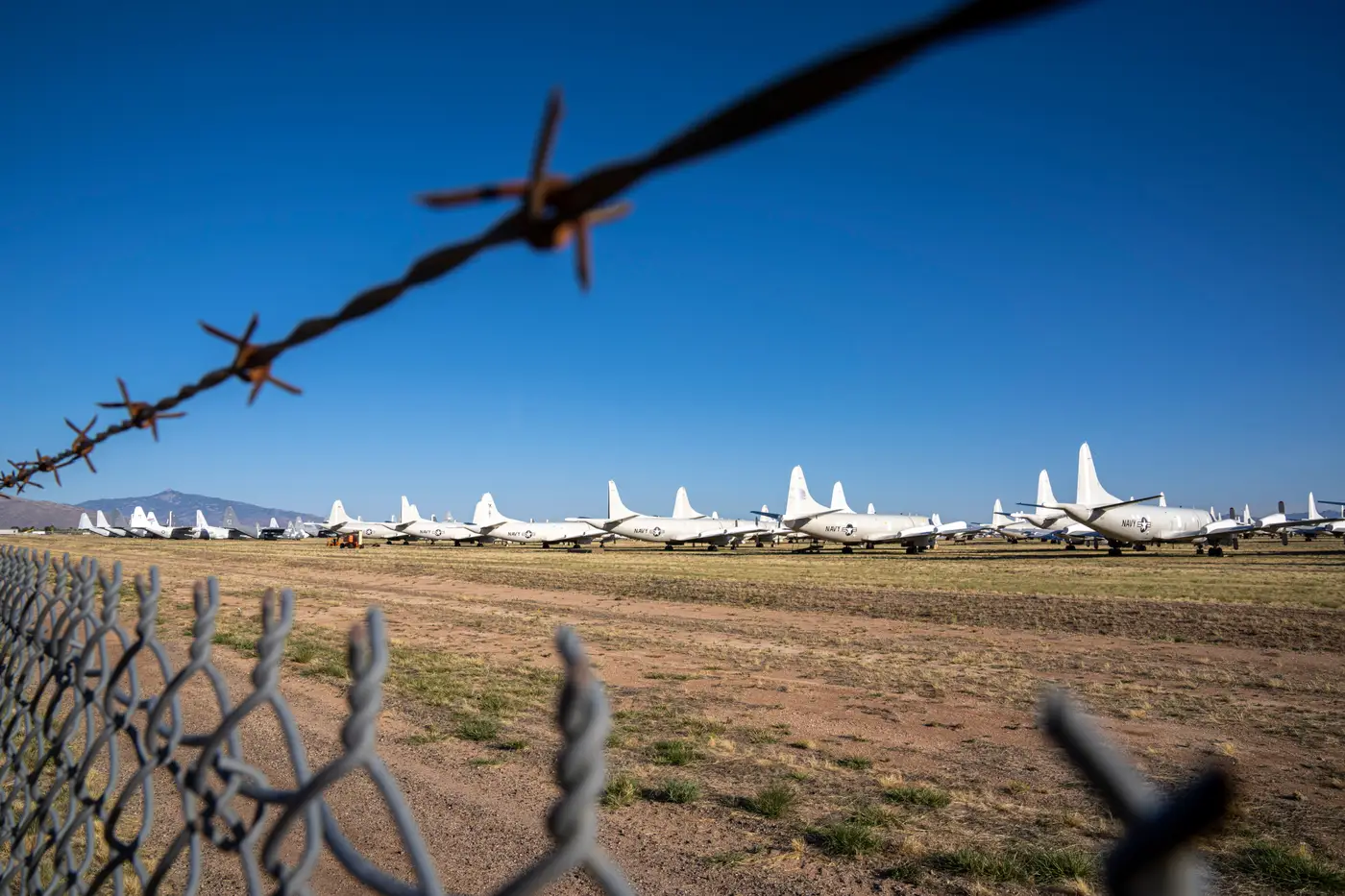
Every analyst who's logged apron counts for more than a season has hit this one. Tuesday looks normal. Wednesday the apron is half empty. By Friday it's emptier still, and then Monday morning everything's back like nothing happened. No revetment damage, no new construction, no obvious trigger in the open reporting. Just a gap in the log that makes you go back and recheck your own tile stack because surely you missed something.
You didn't. You caught an exercise surge, and more specifically, you caught the drawdown side of one.
The pattern is worth sitting with because it's so easy to misread in the moment. A sharp drop in parked aircraft reads, at first glance, like the signal everyone wants: something's moving, something's wrong, get the brief out. But a base that's about to surge for an exercise often empties first, not after. Aircraft stage out to the exercise area days ahead of the actual flying, sometimes to a completely different airfield, and the home apron sits quiet while the jets are somewhere else entirely. That emptiness is downstream of an exercise already underway off your tile, a shadow of activity rather than the activity itself.
I've watched this play out at a dispersal base that normally runs a tight, boring baseline: a dozen or so airframes on the hardstands, two or three in revetments, almost no day-to-day variance. For three days running, that count dropped to single digits. No new taxiway, no fresh grading, nothing in the shelter footprint. Then on day four the count climbed back past baseline, settled for about a week, and drifted down again as whatever had deployed came home in smaller batches rather than all at once. That tail matters.
A clean single-day snap-back tells you the whole package moved together. A staggered return over several days tells you something closer to a rotation, aircraft trickling back as crews finish or as maintenance windows open up. Neither reading is possible from the drop alone. You need the return.
This is the part that gets lost when people treat apron counts as a single data point instead of a series. The number on any given day is nearly useless on its own. What it's compared against, and how fast it reverts, is where the actual information lives. A drop that returns to baseline within the window you'd expect for a known exercise cycle is routine, almost administrative. A drop that doesn't return, or returns to a different baseline than before, is the thing worth flagging. Three days in the field, this distinction is the entire job.
The annoying part is the manual version of this check. You pull the tile from three days ago, the tile from today, maybe a tile from a week before that for context, and you eyeball-count three separate images while trying to remember whether that shape in revetment 4 was there last time or if you're imagining it. Do that across a handful of airfields on your watch list and an afternoon disappears before you've confirmed a single real change.
It's the reason a running daily log, rather than a pile of individually interesting snapshots, is the useful unit here. You want to see the count line move, flag the day it dropped, and flag the day it came back, without re-deriving the baseline from memory every time. That's the gap Airfield Activity is built to sit in: a daily tally by aircraft type on apron and in revetments, laid out as a log you can scroll back through, with the imagery sitting right next to the count so the drop and the return are both one glance away instead of a reconstruction project.
If you're tracking a field through its next exercise cycle, it's worth seeing whether the drawdown and the return look the way this one did.